Source Minimalist Handmade Whiskey Glass for Bars, Hotels, and Restaurants
Compare 30 minimalist handmade whiskey glass options from verified Chinese manufacturers. Evaluate features like high borosilicate material, LFGB/FDA certifications, and custom logo services to find the right supplier for your business needs; compare the available evidence and request quotations based on your requirements.
Key considerations
Products List


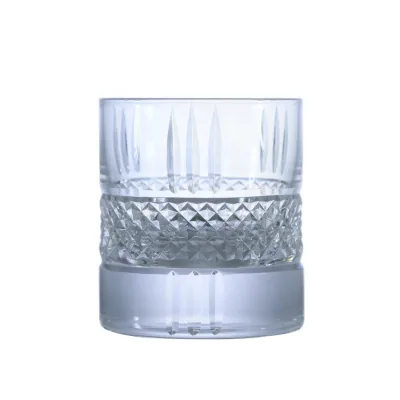


Comprehensive Sourcing Guide
Minimalist Handmade Whiskey Glass Sourcing Guide
Sourcing minimalist handmade whiskey glasses requires a careful balance between aesthetic simplicity and functional durability, particularly when dealing with single-wall or double-wall constructions. Buyers must distinguish between mass-produced uniform items and those with irregular shapes or cylindrical forms that suggest artisanal techniques. The observed market signals indicate a strong presence of clear glass products, often categorized under simple styles with colorless finishes. This visual clarity is essential for appreciating the whiskey’s hue, making the material choice critical. Procurement teams should prioritize suppliers who explicitly state their glass type, such as high borosilicate or standard clear glass, to ensure thermal shock resistance and clarity.
The term "handmade" in this context often overlaps with customizable OEM services, where buyers can request specific logos or shapes. While the aesthetic is minimalist, the underlying manufacturing process may involve significant customization, including laser, spray, or painted logo applications. Buyers should verify if the "handmade" claim refers to the final finishing touches or the entire forming process, as this impacts consistency and lead times. Understanding the distinction between standard inventory items and fully customized pieces is vital for managing expectations regarding delivery schedules and unit costs.
Product Scope and Observed Listing Signals
The current market landscape for these products reveals a wide range of specifications, from small 65ml samples to larger 400ml decanters and 24oz whiskey glasses. Listings frequently highlight features such as anti-corrosion properties and eco-friendly materials, which are crucial for modern sustainability goals. The observed price range is broad, reflecting variations in glass thickness, weight, and the complexity of the handmade finishing process. Buyers should note that "in stock" items may differ significantly from made-to-order pieces, affecting both immediate availability and long-term supply chain stability.
Shipping and packaging methods are also key signals of supplier capability. Products are often packed in carton boxes with foam or bubble bags to prevent breakage during transit, with options for sea, air, or train freight. The origin of these goods is predominantly China, with specific mentions of Jiangsu as a manufacturing hub. This geographic concentration can offer logistical advantages but requires due diligence on supplier reliability. Buyers must assess whether the packaging standards meet their specific retail or hospitality requirements to minimize damage rates upon arrival.
Technical Specifications to Verify
Verifying the exact glass type is paramount, as listings may specify high borosilicate glass, which offers superior heat resistance, or standard clear glass. Buyers should confirm the wall thickness and overall weight, as these factors influence the drinking experience and durability. The shape of the glass, whether cylindrical, irregular, or designed for specific cocktails, must align with the intended use case. For instance, a tumbler style may be preferred for casual bar settings, while a more refined decanter shape might suit high-end restaurants. These physical attributes directly impact the product's marketability and functional performance.
Capacity and model numbers are critical for inventory management and reordering. Specifications often cite models like WG-014 or standard sizes such as 8oz and 12oz. Buyers must ensure that the stated capacity matches the actual volume, as discrepancies can lead to customer dissatisfaction. Additionally, the sealing type, such as easy open ends, may apply to related packaging or accessories rather than the glass itself, requiring clarification. Understanding these technical details helps in creating accurate product listings and managing customer expectations regarding size and fit.
Compliance and Safety Documentation
Food safety certifications are non-negotiable for glassware entering consumer markets. Listings frequently mention LFGB and FDA compliance, which are essential for ensuring the glass does not leach harmful substances into beverages. Buyers should request valid certificates from accredited laboratories to verify these claims, as self-declaration is insufficient for rigorous procurement processes. The presence of CE/EU or ROHS certifications further indicates adherence to international safety and environmental standards, particularly for exports to Europe. These documents provide legal protection and build consumer trust in the product's safety.
Beyond basic safety, buyers should inquire about specific testing protocols for lead and cadmium content, even if not explicitly listed. High-quality glassware should undergo rigorous leaching tests to ensure long-term safety. Documentation should also cover the manufacturing environment, ensuring that the production process maintains hygiene standards. Clear communication with suppliers regarding these compliance requirements helps in avoiding regulatory hurdles and potential recalls. Maintaining a complete audit trail of these certifications is essential for ongoing supplier management and risk mitigation.
Cost Drivers and Commercial Terms
The cost of minimalist handmade whiskey glasses is influenced by several factors, including material quality, customization complexity, and order volume. The observed MOQ ranges from 12 to 10,000 pieces, offering flexibility for both small boutiques and large distributors. Higher customization, such as unique shapes or specific logo applications, typically increases the unit price and extends lead times. Buyers should negotiate clearly on pricing tiers based on volume to optimize their procurement budget. Understanding these cost drivers allows for more accurate forecasting and margin planning.
Payment terms and delivery times are also significant commercial considerations. Common terms include T/T, L/C, and PayPal, with delivery times ranging from 10 to 30 days or longer for customized orders. Free samples are often available, allowing buyers to assess quality before committing to large orders. However, sample times can vary, so planning for these delays is crucial. Buyers should clarify all additional costs, such as mold fees for custom shapes, to avoid unexpected expenses. Transparent communication on these terms ensures a smooth transaction process and prevents misunderstandings.
Supplier Qualification and Quality Control
Evaluating supplier qualifications involves checking their production capacity, quality control processes, and past performance. Suppliers offering OEM and ODM services should have robust systems in place to maintain consistency across large orders. Buyers should request references or case studies to verify the supplier's ability to handle complex customization requests. Quality control should include visual inspections for bubbles, cracks, and uneven finishes, as well as dimensional checks to ensure compliance with specifications. A rigorous QC process minimizes the risk of receiving defective goods.
Communication and responsiveness are key indicators of a reliable supplier. Buyers should assess how quickly and clearly suppliers respond to inquiries and technical questions. A supplier that provides detailed information about their materials and processes is likely more transparent and reliable. Establishing a clear point of contact and regular communication channels helps in resolving issues promptly. Building a strong relationship with the supplier can lead to better pricing and priority treatment during peak seasons. Due diligence in supplier selection is essential for long-term success.
Long-Term Procurement Checks
Long-term procurement success depends on continuous monitoring of supplier performance and market trends. Buyers should regularly review quality metrics, such as defect rates and delivery punctuality, to ensure ongoing compliance. Feedback from end-users can provide valuable insights into product durability and aesthetic appeal, guiding future purchasing decisions. Staying informed about new glass technologies and design trends helps in keeping the product offering fresh and competitive. Regular audits and performance reviews are essential for maintaining high standards.
Adapting to changes in supply chain dynamics is also crucial. Buyers should diversify their supplier base to mitigate risks associated with geopolitical or logistical disruptions. Building flexibility into contracts allows for adjustments in order volumes and specifications as market demands shift. Investing in strong relationships with key suppliers can provide stability and access to exclusive products. By proactively managing these long-term factors, buyers can ensure a resilient and efficient procurement strategy for minimalist handmade whiskey glasses.
FAQs
Can I customize the logo on minimalist handmade whiskey glasses?
Yes, logo customization is acceptable for these glassware items. Suppliers typically offer multiple application methods including laser engraving, spray painting, decals, or direct paint application. This allows for distinct branding on single-wall or cylindrical shapes. Buyers should confirm the specific technique and any associated setup fees with the manufacturer before placing the bulk order.
What certifications are available for minimalist handmade whiskey glasses?
These glass products commonly hold LFGB, FDA, and CE/EU certifications. Some listings also include ROHS and CIQ approvals. These standards ensure the clear glass material meets safety requirements for food and beverage contact. Buyers should verify the specific certification documents provided by the supplier to ensure compliance with local import regulations in their target market.
What is the typical MOQ for minimalist handmade whiskey glasses?
The minimum order quantity varies by supplier, ranging from 2000 pieces down to 360 pieces for some items. One listing specifies an MOQ of 500 pieces. Buyers should check the specific product page for the exact quantity requirement. Lower MOQs may be available for in-stock items, while custom OEM orders often require higher volumes to cover production setup costs.
How long is the delivery time for minimalist handmade whiskey glasses?
The delivery time is at least 10 to 30 days after order confirmation. Sample times are typically shorter, ranging from 3 to 7 days. The exact lead time depends on the order volume and customization requirements. Buyers should plan their inventory accordingly and confirm the specific production schedule with the supplier to avoid delays in receiving their bulk shipment.
What packaging options are used for minimalist handmade whiskey glasses?
Products are typically packed in carton boxes, sometimes with foam or bubble bags for extra protection. Some suppliers offer wooden boxes for premium presentation. The packaging is designed to prevent breakage during transit by sea, air, or train. Buyers should specify their preferred packaging style to ensure the glassware arrives safely and meets their retail or distribution standards.
Are free samples available for minimalist handmade whiskey glasses?
Yes, many suppliers provide free samples for quality evaluation. Buyers can request samples to check the glass clarity, shape, and finish before committing to a large order. While the sample itself may be free, shipping costs might apply. This allows buyers to verify that the product meets their specifications for restaurant, bar, or hotel applications.